
Do Acoustic Wall Panels Work?

Unwanted noise, echoes, and poor sound quality can easily disrupt the comfort and functionality of any space. From busy offices and open-plan homes to music studios, maintaining good acoustics is key to creating a calm, balanced environment.
This is where acoustic wall panels come in. These panels work by absorbing excess sound, reducing echo, and controlling noise levels, making rooms more soundproof and acoustically balanced.
What are Acoustic Wall Panels?
Acoustic wall panels are specially designed products that help control noise within a space by absorbing sound waves and reducing echoes and reverberation. These panels are made from a variety of soundproofing materials, including fabric, foam, felt, wood, MDF, and fibreglass, each selected for its ability to effectively dampen disturbances.
While traditional acoustic panels were purely functional, modern interior design trends have transformed them into decorative features that enhance both aesthetics and comfort. Many contemporary options can be customised in colour, texture, and size, making them suitable for both residential and corporate environments.
How Do Acoustic Panels Work?
In any enclosed space, sound waves reflect off hard surfaces, leading to echoes and reverberation. Acoustic panels are made from porous materials that allow these waves to enter and get trapped within their structure. The energy from these waves is then dissipated as a small amount of heat, reducing the amount of sound reflected into the room.
Measuring Sound Absorption with NRC
The resulting level of sound absorption is measured using the Noise Reduction Coefficient (NRC), which ranges from 0 (no absorption) to 1 (total absorption). A higher NRC value indicates better performance.
For instance, wood slat wall panels with sound-absorbing felt backing can achieve up to 85% sound absorption, making them an excellent choice for spaces that require acoustic balance without compromising design.
Types of Acoustic Wall Panels
Acoustic panels come in several types, each suited to different spaces and needs:
Fibreglass panels: Lightweight, highly effective, and often wrapped in decorative fabric, these acoustic panels are ideal for offices and public spaces.
Foam panels: They are affordable and easy to install, making them popular for home studios or gaming rooms. However, they are less decorative compared to other options.
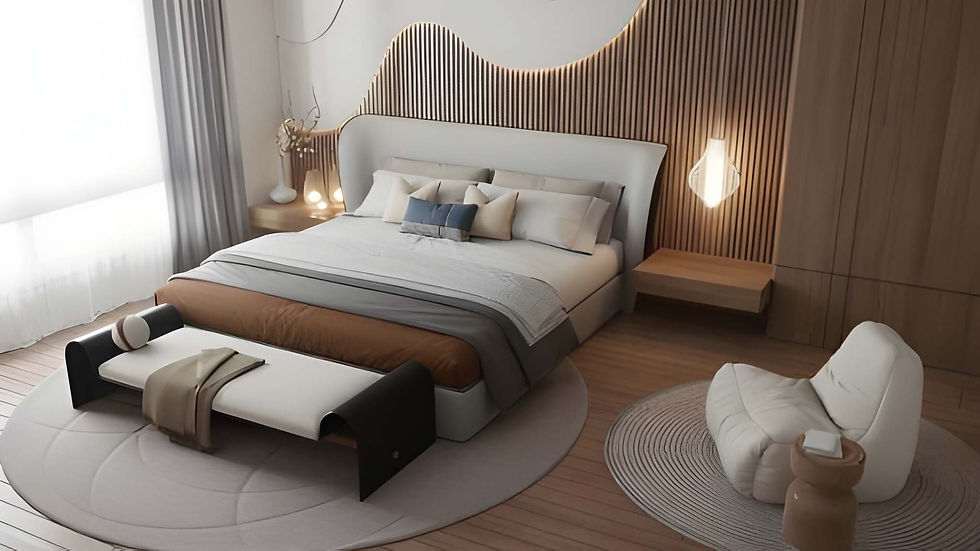
Wood slat panels: These panels combine visual appeal and acoustic functionality. Made from sustainable materials, they are easy to install and blend seamlessly with modern interiors.
Ceiling tiles: They are another common option, especially in commercial or industrial settings, where they help reduce sound reverberation from above.
Benefits of Acoustic Panels
Acoustic panels offer a range of functional and aesthetic benefits:
Better Speech Intelligibility: They improve speech intelligibility, reducing echoes in areas where clear communication is important—such as meeting rooms, classrooms, and living areas.
Reduced Noise Pollution: By minimising noise pollution, they create quieter, more comfortable spaces that promote mental well-being.
Enhanced Productivity: In workspaces and studios, improved acoustics directly translate to enhanced focus and productivity, as distractions are minimised.
Improved Aesthetics: Beyond their acoustic benefits, decorative designs like wood slats elevate the interior’s visual appeal, providing a modern finish while also hiding wall imperfections.
Tips for Installing Acoustic Panels
Installing acoustic panels correctly is essential for achieving optimal results.
Panel Placement: Position panels on walls or ceilings, facing the main sound sources, to absorb reflections. Ideal locations include behind TVs, couches, or speakers, as well as room corners, where low-frequency sounds tend to accumulate for maximum acoustic balance.
Installation Techniques: The installation method depends on the panel material. Wooden wall panels can be mounted securely using screws or clips, while foam panels are lightweight and can be attached with adhesives or staples. Always follow the manufacturer’s instructions to ensure a firm and lasting installation.
Cleaning and Maintenance: Keep panels in good condition to maintain their performance and appearance. Wood panels are easy to clean with a damp cloth, while foam panels can be dusted gently with a soft brush. Fabric-covered fibreglass panels may require vacuuming or a lint roller to remove dirt and debris without damaging the surface.
Enhance Your Interiors with Forté Reno’s Acoustic Wall Panels

For those seeking a blend of performance and style, Forté Reno Supplies’ decorative wood slat panels deliver exceptional acoustic control while elevating interior aesthetics with their natural textures and modern finishes. We also offer premium options, such as marble wall panels, providing versatile design choices for both contemporary and classic interiors.
With end-to-end design support and customisation, we offer a full-service approach, guiding designers and homeowners from concept to installation. Whether you’re looking to make a slat wall panel or install WPC wall panels, our team ensures precision, quality, and design harmony in every project.
Discover our range of acoustic and decorative wall panels today and transform your space into a quieter, stylish, and comfortable environment.


Comments